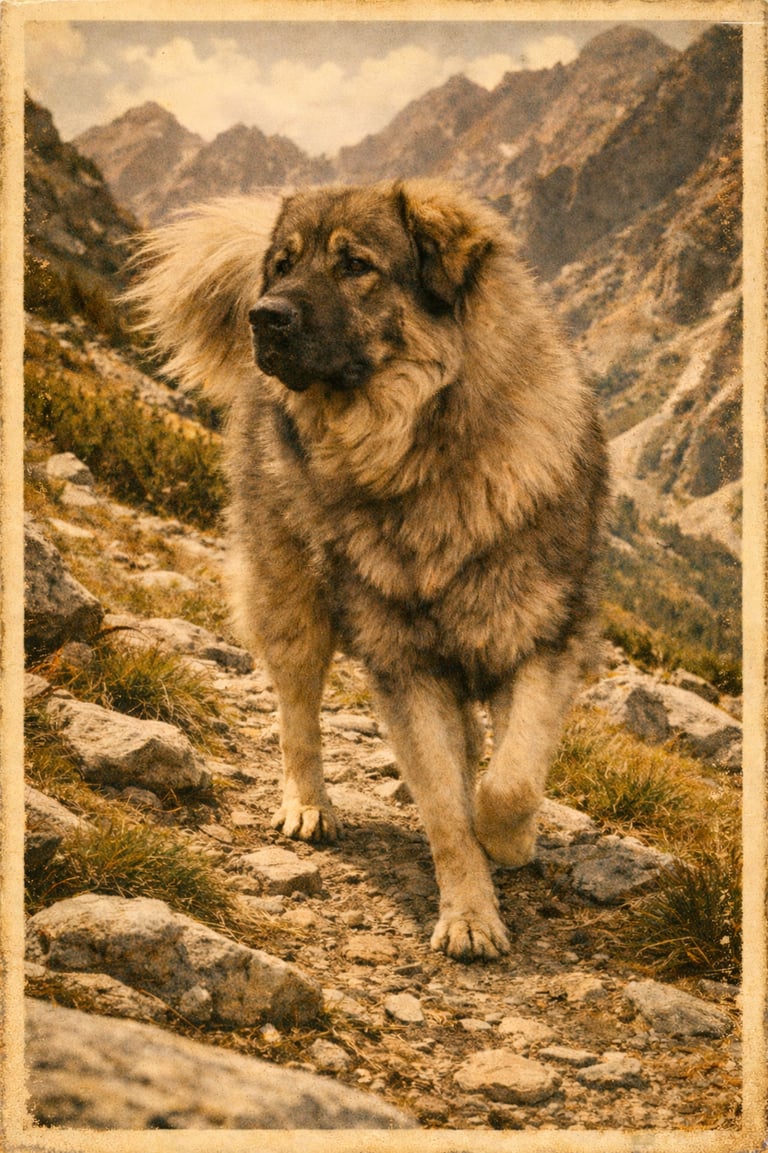
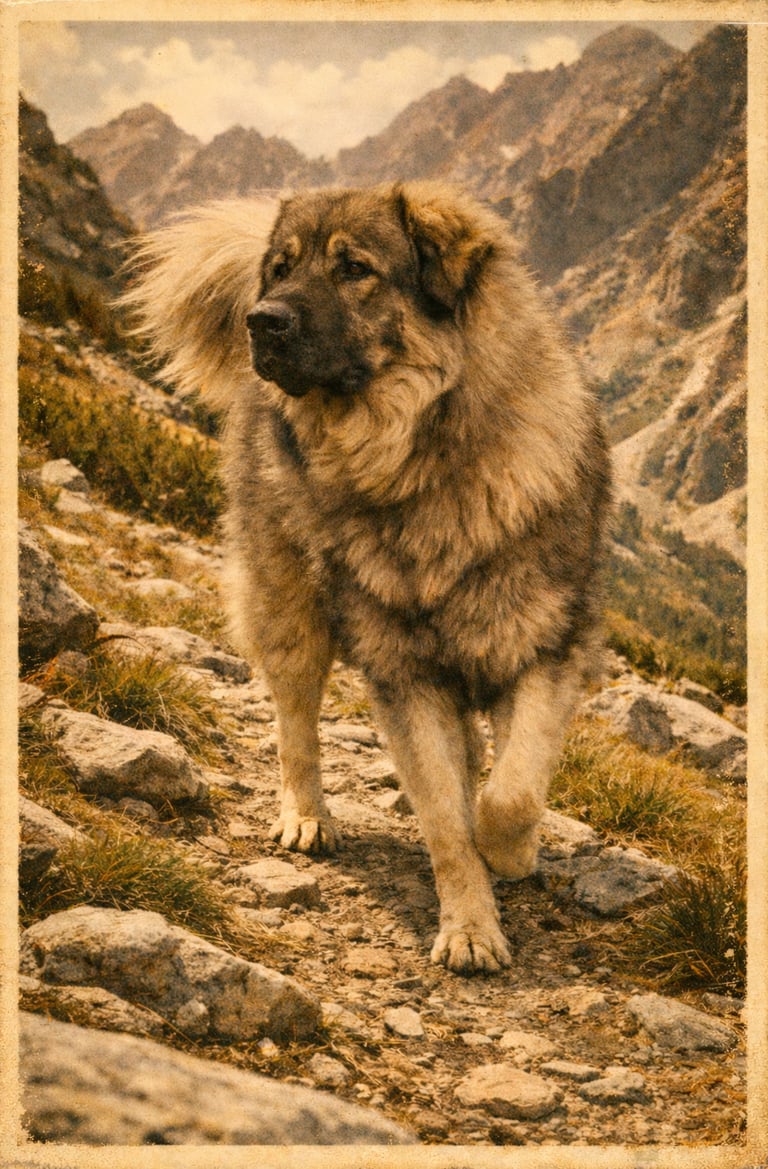
In Dedication to the mighty Shar Mountain Dog (Sharplaninec)
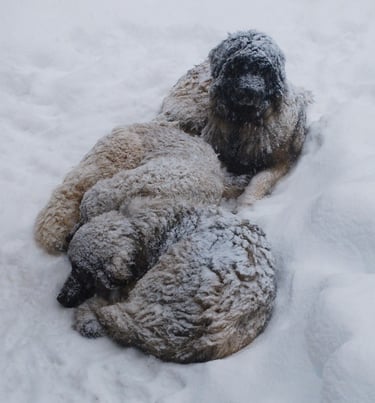
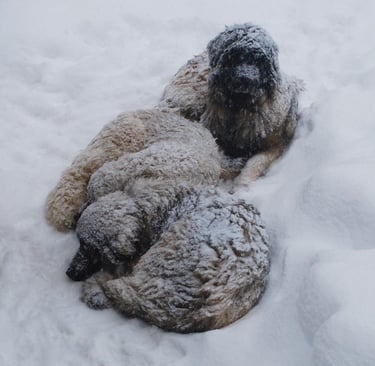
Gaia and her puppies. Born for harsh mountain life.
Although many settlements were located in valleys and fertile lowlands, herders commonly practiced transhumance, the seasonal movement of livestock between fixed winter and summer pastures. During colder months, flocks remained in lower valleys where conditions were milder. In warmer months, sheep and other livestock were driven to high mountain plateaus for grazing. This organized and repeated system connected permanent settlements with upland pastures and required structured long distance flock management in remote terrain.
As transhumant pastoralism became established, the role of dogs became more specialized. Instead of being used mainly for hunting or guarding temporary camps, dogs were relied upon to protect flocks during extended periods in isolated mountain environments. Sheep, cattle, and other livestock required consistent protection from predators and theft. Over time, dogs selected for this work tended to be large, physically strong, resilient, and capable of independent decision making. A calm but confident temperament was especially valued.
History
The mountainous regions of present day North Macedonia, southern Serbia, Kosovo, and the Epirus region of northwestern Greece have been inhabited since ancient times. One of the earliest known cultures in the broader central Balkans was the Vinča culture, which existed approximately between 6000 and 3000 BC. Archaeological evidence shows that these communities practiced agriculture, animal husbandry, hunting, and fishing. Excavations have uncovered permanent settlements, cultivated grains, tools, and crafted objects. These findings indicate stable, organized societies with established farming and livestock practices.
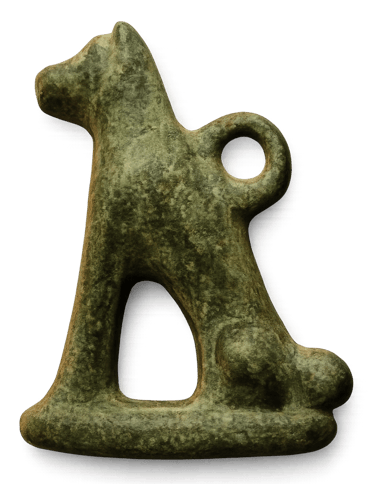
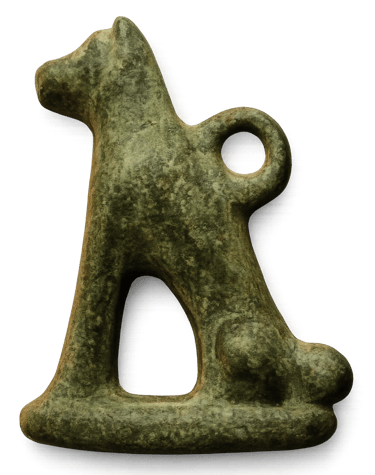
The Sharplaninec is considered one of the traditional livestock guardian dogs of Southeastern Europe. Although it was officially recognized as a breed in 1939, the type of dog it represents is much older. Its development began long before formal breed standards existed, in the pastoral communities of the Balkan Peninsula where shepherds relied on strong, dependable dogs to protect their animals.
In these isolated regions, unforgiving hardship acted as a natural filter. Only the bravest, most resilient, and most reliable dogs remained in breeding lines, producing the foundation of the Sharplaninec.